
The Best Use Of Unneeded RMDs!
In December of 1788 New Hampshire became the ninth state to ratify the newly drafted U.S. Constitution, assuring it would become the law of the land. The great sage and statesman, Benjamin Franklin, wrote to a friend, “Our new Constitution is now established, and has an appearance that promises permanency; but in this world nothing can be said to be certain, except death and taxes.”
Perhaps what Franklin didn’t emphasize enough was how unavoidable taxation would be for IRAs!
It’s all good times when contributions and account growth are tax-deferred, but when those salad days are over there is no avoiding the IRS.
Non-spouses who inherit an IRA must clean it out and pay tax within 10 years. But for most the payday begins at age 73 when the IRS demands taxable required minimum distributions (RMDs).
What do you advise a client who tells you they don’t need the RMDs? Franklin would probably suggest they recover the tax (and then some) by using the balance to purchase a life insurance policy!
But it takes a bit of attention. Carriers don’t approve coverage simply because your client can pay the premium.
Financial justification must be made, usually in two ways that most age 73-plus clients cannot fulfill:
- Earned income replacement – Most receiving RMDs no longer work!
- Anticipated death taxes – Most aren’t wealthy enough that death taxes are a concern, even in the 20 or so states that have their own death tax.
Fortunately, many carriers have adopted a third justification guideline allowing a policy on your clients who want to leverage their legacy using unneeded RMDs to purchase coverage on themselves.
The criteria differ with the carrier, and the applications require some explanation up front. So let us help you with your clients’ RMD planning, finding the best carrier and structuring the policy in a manner that will best serve the policy beneficiaries. Contact Tom Virkler, JD, Director of Advanced Markets at tom@cpsadvancedmarkets.com or 706-614-3796.
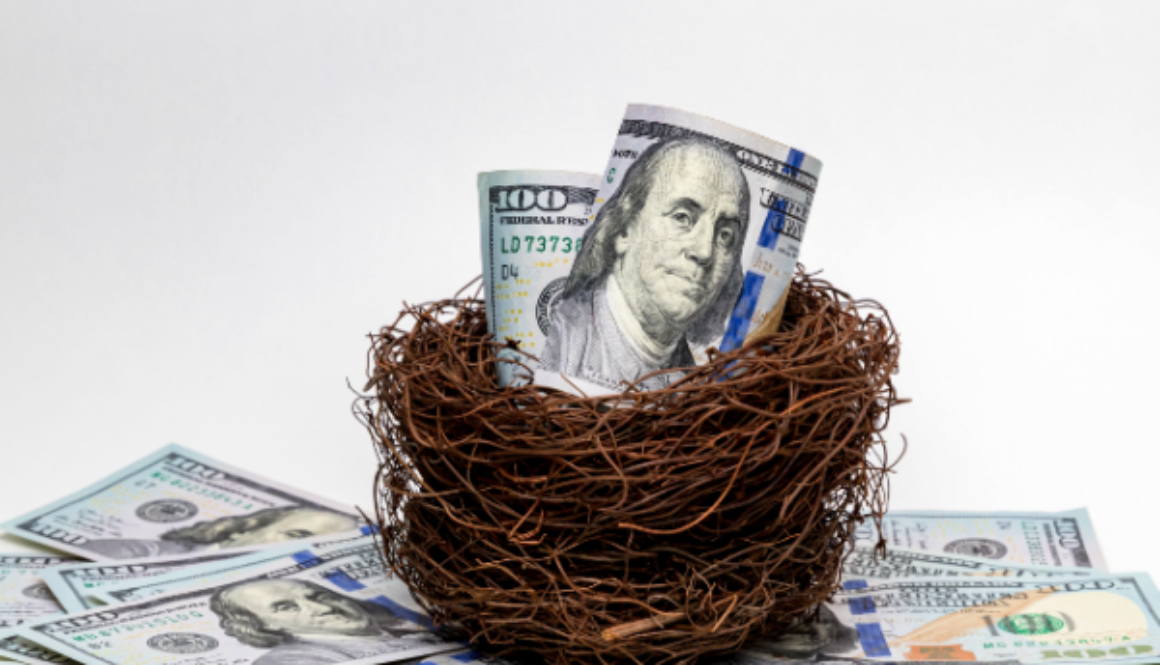
For What It’s Worth – Dr. Franklin’s portrait appears on the hundred-dollar bill. Slang on the street often refers to these C-notesas “Benjamins.” Since July of 1969 they have been the largest denomination in circulation and since then have declined by almost 90% in buying power.